Quick answer
Start with solid technique in all four strokes, then add regular training and race experience. In Singapore, young swimmers can race at school level through the National School Games and at national meets run by Singapore Aquatics, such as the Singapore National Age Group Championships, which use qualifying times. A coach with racing experience can tell you when your child is ready.
Many children who love swimming eventually ask the same question: can I race? Competitive swimming builds discipline, fitness and resilience, and it gives children a clear way to measure their progress. Starting well matters, though. Children who rush into heavy training before their technique is ready often hit a plateau.
Here is what parents in Singapore should know before taking the first step.
Is My Child Ready for Competitive Swimming?
Readiness matters more than age. Look for these signs:
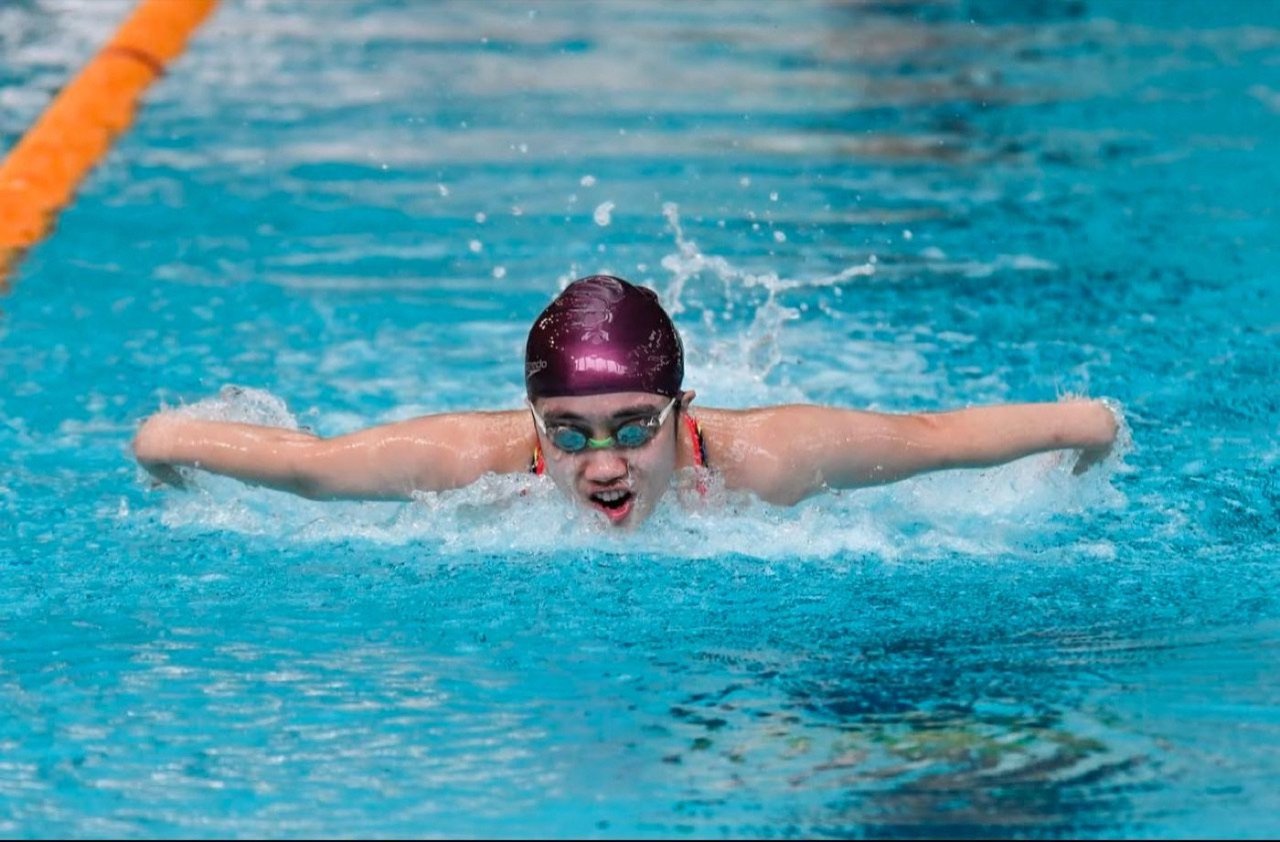
- Swims all four strokes (freestyle, backstroke, breaststroke and butterfly) with sound technique
- Can swim continuous laps comfortably without stopping
- Enjoys training and wants to get faster, not just to play in the water
- Listens to technical feedback and tries to apply it
- Copes well with regular, structured sessions alongside school
If your child is not there yet, that is fine. Strong swimming basics are the best preparation for racing later.
Build Technique Before Training Volume
Fast swimming is efficient swimming. A swimmer whose hips sink, whose kick stalls or whose breathing breaks the stroke will lose time no matter how hard they train. That is why competitive coaches fix technique first and add volume after.
At 02H we break every stroke into the five parts of the BLABT framework (Body position, Legs, Arms, Breathing and Timing) and correct them one at a time. Starts, turns and finishes come next, because races are often won and lost on the walls.
What Does the Competitive Pathway Look Like in Singapore?
Most young swimmers race through a mix of school and national competitions:
- National School Games (NSG): the national inter-school championships, where students race for their school.
- Singapore National Age Group Swimming Championships (SNAG): the national age-group meet run by Singapore Aquatics, with qualifying times for each event.
- Singapore National Swimming Championships (SNSC): the national open championships, where the country's fastest swimmers race.
- International meets: selected swimmers go on to represent Singapore overseas.
Entry rules and qualifying times change from season to season, so always check the latest information from Singapore Aquatics, the national governing body, and from your child's school.
How Often Should a Young Competitive Swimmer Train?
It depends on your child's age, goals and the time of the season. Younger swimmers usually do best with fewer, high quality sessions focused on technique, while older swimmers aiming for national meets train more often. Rest, sleep and schoolwork matter too: a tired swimmer does not learn well. Agree a schedule with your coach that your family can keep up week after week.
Why a Coach With Racing Experience Helps
A coach who has raced knows what a race feels like from the blocks: the nerves, the pacing and the small details that cost time. All three 02H coaches have won medals at the Singapore National Age Group Championships, National School Games and Singapore National Swimming Championships. Coach Dylan medalled in the 50m, 100m and 200m breaststroke between 2012 and 2026, and Coach Renee and Coach Mandy in the 50m, 100m and 200m butterfly between 2012 and 2025. Coach Renee has also represented Singapore at a FINA short-course meet.
That experience shapes our Competitive Training & Stroke Correction programmes, which focus on technique across all four strokes and on race preparation.
Frequently Asked Questions
What age can my child start competitive swimming in Singapore?
There is no single starting age. Readiness matters more: your child should swim all four strokes with sound technique, manage continuous laps and enjoy structured training.
What are NSG, SNAG and SNSC?
NSG is the National School Games, the national inter-school championships. SNAG is the Singapore National Age Group Swimming Championships, and SNSC is the Singapore National Swimming Championships, the national open meet.
Where can I find the qualifying times for SNAG?
Singapore Aquatics publishes the current qualifying times and entry rules. They change from season to season, so check its website before each meet.
Can stroke correction help my child swim faster?
Yes. Fixing body position, kick, arm path and breathing reduces drag and wasted effort, so the same training turns into faster times.
Take the First Step Towards Racing
Book a free trial and get your child's strokes assessed by a coach who has raced at national level.
Book a Free Trial on WhatsAppEvery competitive swimmer starts with good technique. Explore our Competitive Training & Stroke Correction programmes, meet our coaches, or read more on the 02H blog.